A Guide to Building Energy Efficient Homes in Australia
Updated: Jul 3
Building a energy efficient homes is one of the best ways to create a comfortable, future proof space that costs less to run year after year. Whether you are planning your first build or looking to upgrade your current approach, small design choices can make a major difference to long term comfort and energy use.
This guide breaks down the essentials in clear terms so you can start planning your new energy efficient build.
What Does an Energy Efficient Home Actually Mean?
An energy efficient home is one that uses less energy to heat, cool, ventilate and operate while staying comfortable throughout the year. Instead of relying heavily on air conditioning or heaters, the home is designed to maintain a stable indoor temperature through smarter design and better materials.
Why Australians are increasingly prioritising efficiency and designing energy efficient homes
More Australians are focusing on efficiency because it directly affects liveability and cost of living. Summers are hotter, winters can be cold in many regions, and electricity prices continue to rise. An energy efficient home helps manage these pressures by reducing the need for mechanical heating and cooling.
Comfort, cost savings and sustainability
A well designed efficient home feels more comfortable, stays cooler in summer, warmer in winter and uses less energy to maintain those conditions. It also reduces overall environmental impact, making it a practical step towards more sustainable living without sacrificing lifestyle or convenience.
Important Factors of an Energy Efficient Home
The most efficient homes are built on a foundation of smart design choices and high-performing materials. Here are the essential areas to focus on.
Insulation and thermal performance
Insulation is one of the most important contributors to efficiency. High quality insulation slows down the transfer of heat, helping your home stay comfortable with less reliance on heating or cooling. Walls, roofs and floors all play a role in keeping heat in or out depending on the season.
Airtightness and reducing unwanted drafts
Airtightness does not mean the home cannot breathe. It simply means you are reducing gaps and cracks where air can leak in or out. Unwanted drafts are one of the biggest causes of energy loss in Australian homes. An airtight home helps maintain a stable temperature and improves overall performance when combined with controlled ventilation.

Orientation and passive solar design
Good orientation allows you to make the most of natural light and warmth. Placing living areas to the north helps capture winter sun, while thoughtful shading protects the home in summer. Smart passive design reduces your reliance on heating and cooling and improves overall comfort with no additional running costs.
Glazing and window choices
Windows play a large role in heat gain and loss. Double glazing, properly sealed frames and appropriate shading help improve efficiency and reduce the load on your heating and cooling systems. Even small improvements to window performance can have a noticeable impact on comfort.
Heating and cooling efficiency
Using energy efficient appliances is important, but the real savings come from reducing how often you need to use them. When insulation, airtightness and orientation are optimised, your heating and cooling systems work far less, lowering bills and extending the life of the units.
Common Misconceptions About Building Energy Efficient Homes
There are a few beliefs that often stop people from exploring energy efficient building options. Most are based on outdated information.
Myth: they are too expensive
While some upgrades have upfront costs, many efficiency improvements pay for themselves through lower energy bills. Better design can also reduce the size of heating and cooling systems, which helps offset initial expenses.
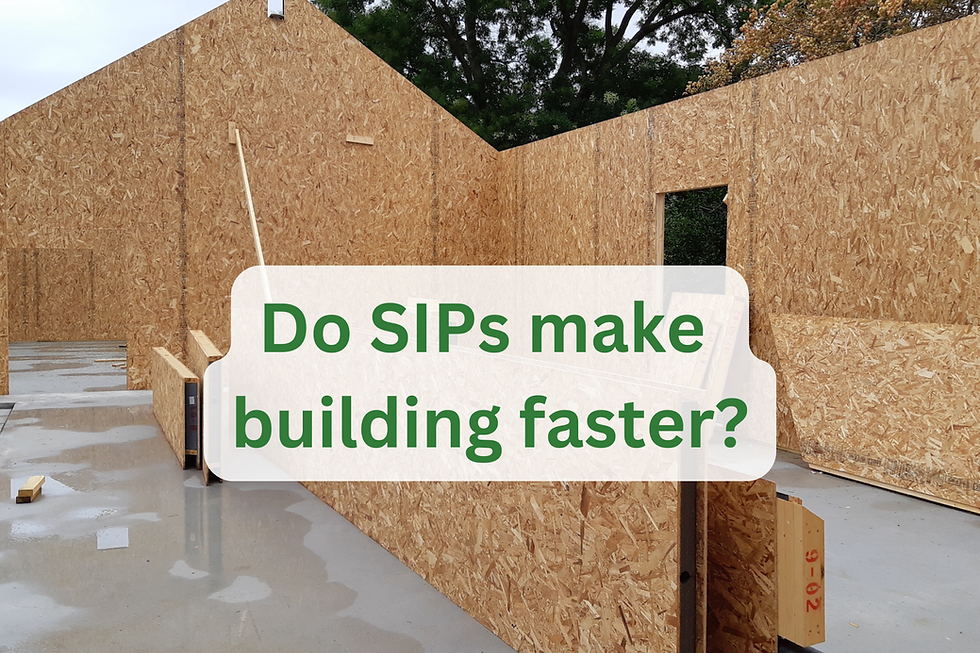
If you choose to build with SIPs - a highly energy-efficient construction material - they can also help manage construction costs in other practical ways. Because the panels combine structure and insulation into one product, framing and insulating happen at the same time. This reduces labour hours and minimises the number of trades needed on site, and they typically speed up construction time too, further reducing costs. SIPs are manufactured to precise measurements, so there is far less risk of gaps, installation errors or materials performing below expectations.
Another advantage is the reduction in onsite waste. SIPs arrive pre-cut and ready to assemble, which means less to no needed onsite adjustment and offcuts, and less time spent handling materials. For many builds, these efficiencies translate into smoother timelines, less waste removal and a more predictable budget.
Myth: they require unusual designs
Energy efficient homes do not need to look different. Most efficiency features are built into the structure and materials, not the appearance. Australian builders and designers work with these principles every day, and they fit naturally into a wide range of styles.
In fact, SIPs create greater design flexibility as they are a stronger construction material with less reliance on truss walls or structural beams.
Myth: they don’t suit the Australian climate
Quite the contrary. Efficiency is actually highly beneficial in Australia because of our varied climates. From hot summers to cool winters, good insulation, airtightness and orientation make a home more stable and comfortable in any region. They can also be a good choice for those in bushfire risk zones.
Building Materials That Improve Energy Performance
Materials have a significant influence on how well a home performs. Some options are universally recognised for improving efficiency.
Traditional insulation
Bulk insulation such as batts and rolls is a common choice for improving thermal performance. When installed correctly, it can make a substantial difference to comfort. However, its performance can vary widely. Even small gaps, compression or uneven coverage can reduce its effectiveness, and these issues often occur during installation or over time as materials settle.
Traditional insulation also relies heavily on the overall quality of the wall or roof construction, so thermal bridging and air leakage can still allow heat to escape or enter your home. As a result, the actual performance sometimes falls short of what is expected on paper.

High performance systems
Some modern methods of construction, like SIPs, are designed to combine structure, insulation and airtightness in one solution. Structural Insulated Panels (SIPs) are an option that provides consistent insulation and significantly reduces thermal bridging. Because each panel is pre-manufactured in a controlled environment, the insulation is continuous, uniform and free from the gaps or compression issues that can affect traditional materials.
SIPs also create a naturally airtight building envelope, which helps prevent drafts and unwanted heat transfer. This means heating and cooling systems do not need to work as hard to maintain a comfortable temperature. Their strength and precision allow for predictable energy performance, and they integrate well with most home designs without requiring major layout changes. For many new builds, SIPs offer a simple way to achieve higher thermal efficiency with fewer construction variables.
SIPs are made to precise specifications that support energy efficient design and are often chosen by people who want reliable performance and more flexibility in their design choices.
Airtight construction benefits
Regardless of the material you choose, aiming for a more airtight building envelope improves efficiency. Airtight homes maintain their temperature more easily, reduce drafts and create a more even indoor climate. When paired with controlled ventilation, they offer healthier and more stable living conditions.
Costs and Long Term Savings
Upfront costs vs lifetime savings
Energy efficient homes sometimes cost slightly more upfront, but these costs are usually recovered through long term savings. Lower energy bills, reduced heating and cooling requirements and less wear on mechanical systems create measurable benefits over the life of the home.
As mentioned earlier in this article, construction materials such as SIPs can also reduce construction costs by reducing labour needs and onsite waste, and typically achieving a quicker overall construction that a more reliable budget.
How better materials reduce ongoing energy bills
Investing in quality insulation, glazing and airtightness means your home uses less energy from day one. Over time, these savings can be significant and create a home that remains comfortable without relying on energy intensive appliances.
How to Plan an Energy Efficient Home
A good plan ensures you make the most of efficiency principles from the start.
Design tips
Focus on orientation before anything else
Work with natural light as much as possible
Prioritise insulation and airtightness
Add shading where necessary to protect from summer heat
Choose windows based on performance, not just appearance
Common mistakes
Leaving insulation and glazing decisions too late in the process
Overlooking drafts and air leakage
Oversizing heating or cooling systems
Assuming sustainable materials will restrict design choices
Working with designers and builders
Choose professionals who understand energy efficient design and can explain how different choices affect performance. When designing an energy efficient home, a collaborative approach ensures the best result and avoids rework or missed opportunities.
Here at Smart SIPs, we provide custom home design services and we’re experienced in achieving highly energy-efficient homes. We also manufacture and supply SIPs nationwide.
View our projects for examples of our work or contact us with any questions.
Ready to build an energy efficient home?
If you want to build a home that feels comfortable year round, reduces energy bills and meets modern expectations for sustainability, an energy efficient design is the ideal starting point.
Systems like SIPs can help create a well insulated, airtight and high performing home without complicating the construction process.
If you would like guidance on how SIPs could support your energy efficient build, you can explore our website for more information on SIPs or contact us with any questions.
Frequently asked questions about Building Energy Efficient Homes
Q: Is the cost to build an energy efficient home higher than a standard build?
A: While initial material or design upgrades may add a small upfront premium, building an energy efficient home significantly reduces ongoing energy bills. Utilising smart construction systems like SIPs also reduces labour hours and on-site waste, offsetting initial expenses.
Q: How do structural insulated panels (SIPs) improve house energy ratings?
A: SIPs provide continuous insulation and an airtight envelope that eliminates thermal bridging. This structural integrity makes them highly sought after by energy efficient home builders aiming for 7 to 9-star NatHERS ratings. You can view SIPs home projects we’ve worked on that have exceeded the NaTHERs star rating requirements.
Q: What is the difference between traditional bulk insulation and a high-performance building system?
A: Traditional bulk insulation, such as glasswool batts, relies heavily on flawless installation; small gaps, compression, or moisture can drastically reduce its real-world R-value. High-performance building systems like SIPs integrate the structure, insulation, and airtightness into a factory-pre-cut panel, ensuring predictable thermal performance with zero sagging or gaps over time.
Q: How does passive solar orientation affect the cost of building an energy-efficient home?
A: Correct solar orientation is the most cost-effective way to boost a home’s NatHERS star rating. By positioning primary living areas to the north to capture free winter sun while using strategic eaves or shading to block harsh summer heat, builders can lower the size and cost of the mechanical heating and cooling systems required for the home.
Q: Can you use structural insulated panels for custom or complex architectural home designs?
A: Yes. A common misconception is that energy-efficient homes require rigid or unusual layouts. Because SIPs are an inherently strong, load-bearing construction material, they reduce the reliance on internal truss walls or heavy structural beams, actually providing architects and designers with greater layout flexibility.